Please visit our Open House at 207B 1325 Cape Cod Dr in Parksville. See details here
Open House on Saturday, February 3, 2024 11:00AM - 2:00PM
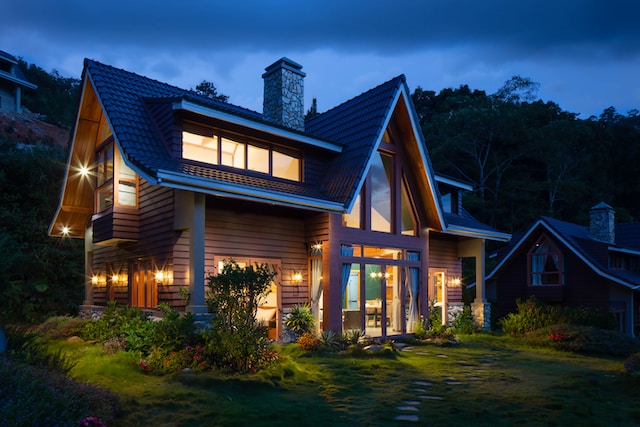
Welcome to the ONYX building, nestled in the scenic community of Craig Bay Estates!
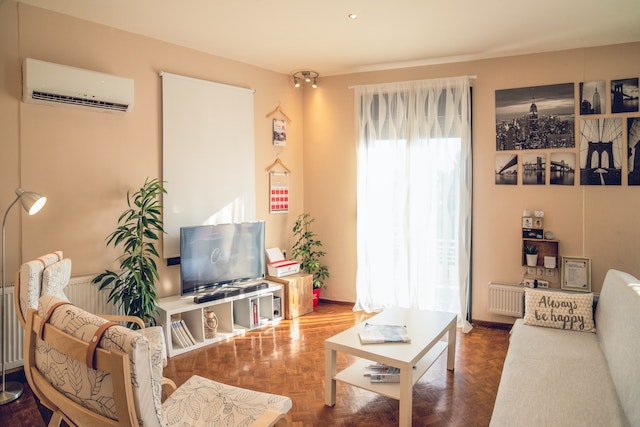
This meticulously maintained 2-bed, 2-bath condo boasts 1364 sq ft of living space sparkling with abundant natural light. Situated in the Northwest corner of the building, it features a delightful wrap-around balcony providing captivating partial ocean views.
Step inside to discover a well-designed layout that harmoniously blends functionality with a touch of elegance. Residents in this esteemed community enjoy resort-style living, with exclusive access to the Craig Bay Beach Club, a vibrant hub for community activities. Take full advantage of the pool, tennis/pickle ball courts, just a short stroll from the ocean!
Situated a mere 5 minutes from downtown Parksville, this condo offers an idyllic balance of tranquility and convenience, making it a perfect coastal retreat.
I have listed a new property at 207B 1325 Cape Cod Dr in Parksville. See details here
Welcome to the ONYX building, nestled in the scenic community of Craig Bay Estates!
This meticulously maintained 2-bed, 2-bath condo boasts 1364 sq ft of living space sparkling with abundant natural light. Situated in the Northwest corner of the building, it features a delightful wrap-around balcony providing captivating partial ocean views.
Step inside to discover a well-designed layout that harmoniously blends functionality with a touch of elegance. Residents in this esteemed community enjoy resort-style living, with exclusive access to the Craig Bay Beach Club, a vibrant hub for community activities. Take full advantage of the pool, tennis/pickle ball courts, just a short stroll from the ocean!
Situated a mere 5 minutes from downtown Parksville, this condo offers an idyllic balance of tranquility and convenience, making it a perfect coastal retreat.
I have listed a new property at 2296 Cameron Dr in Port Alberni. See details here
In the heart of Cameron Heights, this eco-conscious property showcases sustainable living with 3 beds and 3
baths over 1600 sq ft. Positioned on a landscaped corner lot, it features a fenced backyard, garden beds, a
gazebo, and a deck with partial inlet views. The fully finished basement, currently a successful Superhost
Airbnb with a separate entrance, offers income potential. Recent upgrades include perimeter drains, Hardie
plank siding, and a 225-amp electrical service. Notably, solar panels installed in 2023 mark a commitment to
sustainability, potentially making it a net-zero home with substantial utility savings if current hydro usage is
maintained. Don't miss this rare blend of functionality, sustainability, and charm!
If you've considered moving into a townhouse in Nanaimo but aren't quite sure what you're getting into you've come to the right place. Today I'm sharing the pros and cons of choosing a townhouse over a detached home in Nanaimo.
What’s a Townhouse?
Before we begin if you don't know what a townhouse is, a townhouse is part of a connected complex sharing walls with adjacent units they're often arranged in rows and individual units can be side by side or stacked. For this reason, a townhouse has slightly less privacy than a detached home but a bit more than an apartment or a condo since you most likely will have your own private outdoor space.
Townhouse ownership is typically limited to the interior space, with common areas like parking or parts of the building that are shared, like the roof, being owned by the strata Corporation as tenants in common.
Pros
Affordability
While most of the home resale Market in Nanaimo is with detached homes, Nanaimo offers a wide variety of housing options to meet any budget such, as townhomes. In Nanaimo, over the last 3 months, the median sale price for a townhome was around $613,000 for a 2 to 3-bedroom unit. At this price, you're more likely looking at a newer home compared to a 2 to 3-bedroom detached home in this price range, which most likely will require a little bit more TLC. This makes Townhomes a great entry point into homeownership for first-time homebuyers.
Community Living
townhouses often foster a strong sense of community. This is due to a lot of shared spaces and close proximity to neighbours, creating lots of opportunities for social interactions. If you're a member of your Strata Council, which is the governing body of the strata Corporation, you'll be participating in how the strata is run and forming relationships with other caring townhouse owners in your complex.
Low Maintenance
Contrary to owning a detached home, with a townhouse, the exterior maintenance is typically taken care of by the strata. This allows residents to enjoy a more relaxed lifestyle and is perfect for those who want home ownership without the hassle of extensive upkeep. Imagine not having to worry about cleaning your gutters or mowing the lawn.
Amenities
Many townhouse complexes in Nanaimo come with communal amenities such as gyms, parks and even pools and as a resident, you get to enjoy these facilities without the responsibility of personal maintenance.
Cons
Limited Privacy
As I mentioned, just as townhouse living can foster a strong sense of community, the proximity to neighbours might mean you're sacrificing a bit of your privacy. Even with a private outdoor space, you'll still most likely be in very close proximity to the people living next to you, so noise and visual disturbances can be a consideration here.
Strata Fees
Almost any townhouse complex you will encounter will have strata fees, which are to cover shared expenses and maintenance. The amount you pay will be determined by something called your "unit entitlement”, which is the share of the common property that you own. This is usually determined by a formula that takes into account the size of your home. As mentioned, the strata of fees that you'll be paying will go towards the maintenance of your townhouse complex and go towards either an operating fund, which are the more frequent upkeep items such as gardening, insurance and garbage removal; or towards the contingency reserve fund for things that occur less than once a year; generally larger repairs. If you're purchasing a townhouse you must budget for this additional cost.
Less Freedom of Design
If you want to find a home that you can customize you may find townhouse living a bit restrictive. This is because certain bylaws may determine what changes you can make to your Strata lot such as flooring, knocking down a wall or even remodeling your kitchen. You may need to get written permission before personalizing your space.
Parking Challenges
Most people will find that parking and guest parking is much more limited in a townhouse complex. If you're lucky you could score a unit with a garage and a driveway but this isn't always the case. And, referring back to bylaws, you may also be restricted on the type of vehicles you park in your driveway, such as recreational vehicles.
For all the reasons I just mentioned above make sure to read and understand all of the bylaws and rules that will apply to your future townhouse complex!
I have sold a property at 1363 Lanyon Dr in French Creek on Dec 13, 2023. See details here
This 3 bedroom and 2 bathroom rancher is located on a quiet street in the highly sought after neighbourhood of Sandpiper. The kitchen looks out on the private yard with the spacious family room that opens onto the private covered patio. There is a functional floor plan of 1,737 square feet featuring generous sized bedrooms, including a primary bedroom with an ensuite and walk in closet. Updates include; A new heat pump, windows and perimeter drainage. There is extensive outdoor space on this 0.22 acre property for enjoying the weather, entertaining or relaxing. This home boasts substantial parking for your R.V., boat or other toys offering great potential for a carriage home. Just a short drive to the beaches, golf courses, marina, Parksville and Qualicum Beach making this home one you don’t want to miss out on.
There are so many ways to get around in Nanaimo! Don’t have a car? No problem.
Today’s topic is something I get asked a fair bit and that is, Do I need a car in Nanaimo and what is the transit system like? I’ll go beyond this and explain some other methods of transportation you’ll want to know if you’re going to be living in Nanaimo.
Driving
Let’s start with the first question and that is do you need a vehicle here? My answer to this question is always… if you can afford one these days (gas prices) then yes, I highly recommend one. This is due to the fact that it provides you the ability to get to other destinations Vancouver Island has to offer much easily. Once you move here, you’ll want to explore and you can be in beautiful destinations in a matter of hours, like in this video of my trip to Hornby Island.
If you’re in the city, having a car makes it so you’re no more than 20-25 minutes from most points. Nanaimo is a long city North to South, with two highways that run in this direction so you can get anywhere fairly quickly. Nanaimo is great at providing lots of shopping opportunities in all segments of this city though, so if you’re fine with sticking to your neighbourhood then transit or biking is probably fine.
By car, according to Google Maps, from central Nanaimo you are 1h36mins to Victoria.
2h57 mins to Tofino
1h34 mins to Campbell River
32 mins to Parksville
2 hours to Port Renfrew
1h10 mins to Port Alberni
And 1h14 minutes to the Comox Valley
If you have an electric vehicle, Nanaimo currently has 81 charging stations around the city! If not, gas prices in Nanaimo today hover around 1.58…
As far as ride sharing is concerned, Nanaimo is lucky to have U-ride which started last November! Simply download the app and request a pick-up. It functions just like Uber and Lyft in bigger cities and is an excellent alternative to Taxis. I recently used this service to get from the Departure Bay ferry terminal to the Nanaimo Airport and it was a $45 fare.
Public Parking
Parking in Nanaimo is also very affordable compared to big cities and finding parking is usually pretty easy! There are a number of parking apps to make payment and extending your parking hastle-free.
Public Transit
Now onto Bus Transit. Nanaimo does have a very thorough bus route network throughout the city which covers down to Cassidy where the airport is located and up to Lantzville in the North, as well as the intercity bus route 91 which goes to Parksville and QB. The three large exchanges are located at Woodgrove Center, Country Club Mall and at VIU.
Cycling
On top of the bus transit system in Nanaimo, the city also has a healthy network of bike lanes. Active transportation is something Nanaimo is working on, as the population grows and people need more and more cost-effective ways to get around town. There have been major bike lane improvements along Metral Drive and Bowen road, however there has been some resistance with seeing improvements downtown on Front street with the major argument being congestion issues for cars and according to one article on Nanaimo News Now “ A lengthy project to include bike lanes on Wakesiah Ave. between Bowen Rd. and Colliery Dam Park is awaiting funding and direction from council.”
There’s also a Nanaimo Cycling App, but I didn’t find this very useful other than providing a map of the city with coloured routes.
Extended Travel
Now besides ways to get around within the city, what about ways to get off the island, to and from Nanaimo?
Most people’s immediate plan of action here is BC Ferries. After this video is done, check this one out where I describe my experience using BC ferries to commute to and from West Vancouver for a year for work. As travel to and from Vancouver Island has increased, particularly during the summer months, it’s recommended you always reserve a sailing if you’re travelling with your car! Otherwise, you will risk having to wait for a sailing or more. Nanaimo has two large BC ferry terminals, one in Departure Bay which connects you to West Vancouver and one in Duke Point which brings you into Twawassen. There’s also a 20-minute sailing from the Nanaimo Harbour to Gabriola island. These smaller ferry services will take you to all the smaller islands off the coast of Vancouver Island called the Gulf Islands, like Salt Spring, Denman and Hornby. They’re well worth exploring
Of course, if you’re looking for a direct and easy way to get from downtown Nanaimo to downtown Vancouver, Nanaimo’s new high-speed passenger ferry called Hullo began service this summer. I’ve taken it twice so far and it’s been super easy, albeit a little pricier than walking on with BC ferries. A base fare for Hullo is $39, compared to $19 with BC ferries.
If you’re not into travelling by boat, then one of the smaller seaplanes from Nanaimo Harbour could be the answer. Seair offers service from downtown Nanaimo to downtown Vancouver for around $116(when booked online**) and Harbour Air, which I found fares this week for as low as $79.
Located in the same area as Hullo Ferries, Helijet offers flights to downtown Vancouver on their twin-engine 12-seater helicopter and will get you there in just 18 minutes! Flights this week were as low as $129.
Then if you really have places to go, Nanaimo’s Airport offers service to connect you to international airports through airlines such as Air Canada, West Jet and Pacific Coastal.
I hope this has answered your questions about how to get around the city of Nanaimo! If there’s something you’d like to know that I did not cover, get in touch! ritafraserrealty@gmail.com
Today’s neighbourhood feature is Pleasant Valley. I’ll let you know why I think this is a great location for families relocating to Nanaimo and all the other features that make this community great.
Pleasant Valley is a neighbourhood located in the north end of Nanaimo, mostly on the West Side of the Nanaimo Parkway which is the new highway. It surrounds Brannen Lake and the area is known for its natural beauty and recreational opportunities.
As I’ve mentioned in past videos, one of the first things you will want to consider when moving to a new city is the location. What is your lifestyle and what matters most in terms of where you will be living? Pleasant Valley is ranked highest for a quiet place to live, as well as schools and daycares, which makes it an ideal spot for families. Walkability is ranked a little lower, however, this is due to the fact that most amenities nearby are across the highway in North Nanaimo, such as Woodgrove Mall and all the other shops and restaurants I mentioned in this video. This also isn’t entirely true, however, as along Metral Drive there are excellent bike paths and sidewalks which will take you along the shops and grocery store in that area. In my opinion, the balance of having everything situated so close by but that you are tucked away from the busier side of town is a huge bonus.
Circling back to schools, Pleasant Valley Elementary is the school here located at 6201 Dunbar Road. The families I know who have kids attend school here report that they’re very happy and the school is very safe with a lovely community feel.
Another great part of this community is the Pleasant Valley Hall, which is a social center where you can rent space for different events. Looking at the calendar for the month, they offer a range of activities from Martial arts, Yoga and different dance classes!
If you’re looking for a local escape not far from home, the Black Bear Pub serves homemade Canadian cuisine with a relaxed atmosphere.
I mentioned earlier that in Pleasant Valley you will find Brennan Lake, which is a recreational lake known for its RV park and campsite. It also has a boat launch and fishing dock. So if you’re looking for a fun stay-cation with the family this is a really great option! There’s lots of wildlife to check out while you’re here as well including deer and birds of prey like owls and hawks.
Besides Brennan Lake, you are very close to the Dumont Mountain biking trails with border Pleasant Valley and North Jingle Pot. You can also hike through these trails but be mindful of the bike paths! If you want a hike with an amazing waterfall at the end, check out nearby Ammonite Falls which you can see for yourself in this video.
Pleasant Valley is a fairly new community with most builds here occurring in the 1980’s. The median sale price here for a single-family detached home over the last 90 days is $880,250 but there is also a good amount of condo buildings and townhome complexes. These sold for a median price of $530k over the last 90 days. If you’re looking at a move to Nanaimo in the near future I wouldn’t hesitate to check out the neighbourhood of Pleasent Valley and I’m always here to answer any questions you may have about this community and others!
Today I will be exploring the differences between living in The Comox Valley and living in Nanaimo. I want to start off by saying that in no way is this intended to say one is better than the other but is to simply highlight aspects that might make one location more desirable if you’re considering a move to Vancouver Island.
The Comox Valley is a picturesque region encompassing Courtenay, Comox, and Cumberland, about an hour's drive north of Nanaimo. It boasts a warm community vibe with a population of around 75,000 and a population density of 44.40/km².
In comparison, As of 2022, the City of Nanaimo has a population density of 1,147/km² and a population of just under 105,000 people. Keeping in mind that this is for the city of Nanaimo proper and The Comox Valley includes 3 regions, the Comox valley offers a more intimate setting compared to the hustle of the larger city of Nanaimo. If you're after that tight-knit feel, the Comox Valley might be calling your name.
Now, let's talk amenities!
While the Comox Valley provides all the essentials, the larger population in Nanaimo means a broader array of shopping, dining, and cultural experiences. However, don't count the Comox Valley out! It's got everything you truly need, including a Costco for shopping, often with shorter travel times. And while Nanaimo might have more activities for you to do on a night out, Comox also has plenty of festivals and music events throughout the year, especially in the warm summer months such as the BC Seafood festival and Vancouver Island Musicfest.
Housing Costs and Taxes
Ah, the big question: housing costs. In the Comox Valley, the median price for a 3-bedroom home hovers around $630,000. It's an attractive option for those seeking affordability without sacrificing quality. Property taxes in 2023 in Comox is 0.409651%. Now, compare that to Nanaimo's median home price of $749,950, and a property tax rate of 0.600870%. If you meet in the middle and consider a $700,000 property, that home in the Comox will cost you $2868 in property taxes whereas in Nanaimo that same home will cost you $4,206 in property taxes and remember -Nanaimo is also ranked number 3 in third highest property taxes in BC.
If you’re in the rental market, The Comox Valley offers a variety of options, with a vacancy rate of around 3%. The average cost for a 1-bedroom apartment is approximately $1,300. In Nanaimo, the vacancy rate is slightly lower at 2.2%, with an average rental cost of $1,450 for a 1-bedroom unit.
Outdoor Paradise
If you’re an outdoor enthusiast like myself, you’ll love both the Comox Valley and Nanaimo which grant easy access to stunning outdoor activities.
The Comox Valley has become a meca for mountain bikers, particularly in Cumberland which has become what they call the “Squamish” of Vancouver Island with many young active families are relocating to take advantage of the outdoor living. Cumberland was ranked number 1 in the country for mountain biking, according to Osprey.com. Many of these trails surround Puntledge River. It also has proximity to Mount Washington for skiing. Also check out breathtaking Brown’s River Falls which we had the privilege to visit a couple of times this summer, my dogs, especially Tika, and Simon had a blast!
Nanaimo offers majestic Mount Benson and there are no shortage of Mountain Biking Trails. It’s central location makes it a great starting point for exploring all of Vancouver Island’s beauty so you can take advantage of what other areas have to offer a little easier. Which leads me to my next point…
Travel
For jet-setters, the Comox Valley Airport offers convenient regional connections. Nanaimo Airport provides similar options, and both cities have BC Ferries terminals, however the Comox terminal in Little River only provides service to Powell River on the sunshine coast. Nanaimo has two terminals in Departure Bay and Duke point which connect you to either West Vancouver or Tswassen and with Nanaimo’s new Hullo Ferries service, you can be in downtown Vancouver in only 70 minutes. I think when you compare the Comox Valley to Nanaimo, Nanaimo is simply a more convenient place to live for travel due to it’s central location and transportation options.
Weather
When it comes to Vancouver Island cities, Nanaimo and Comox, Courtenay and Cumberland are very similar. Both are located on the east coast of the island and experience moderate winters and summers. The coldest month is December, with average temperatures of between 2-6 degrees C. During this month In terms of snow, Comox wins with a slightly higher snowfall than Nanaimo in terms of quantity. Comox Valley will accumulate on average 45 millimetres of snow on average compared to Nanaimo’s 31 millimetres of snow. Both areas are also similar for “wet days” or days with precipitation with at least 1 millimetre of rain. Both regions experience an over 55% chance of rain during the month of November. So if you’re trying to pick based on weather, it’s safe to say you’ll be getting about the same in both areas.
So, which one's your dream destination? The Comox Valley invites you to its warm, tight-knit community, while Nanaimo dazzles with a broader array of amenities. No matter your choice, you'll be embraced by breathtaking landscapes and the charm of Vancouver Island.
Everyone needs a place to call home, but should that place be rented or bought? That is a question everyone must answer at some point in their lives. As you earn more money, you will invariably come to a place where you want to make crucial decisions to reflect your changing status.
One of those essential lifestyle changes will involve deciding on the home you live in. Should you save money to buy your own home? Or is it wiser to keep renting and use that money for something else? What are the long-term and short-term benefits of either of these options?
In the past, most people didn’t have to think about this because owning their own home was considered the best financial decision a person could make. People viewed their homes as their most valuable asset. The home was also a symbol of a higher social status and a mark of responsible citizenship.
But all that is changing, partly due to the rising cost of home ownership in Canada. The other reason for the changing views on home ownership is that younger Canadians value the freedom that comes with renting over the stability that comes with owning their own home.
What should you do? Should you continue to rent or make plans to buy your own home? The proper answer depends on your current situation and where you think your life will be in the next ten years. In this post, we explain the pros and cons of both options to help you make the decision.
Renting
The pros of renting your own home
Lower upfront costs: Unlike when buying a home, where you must save up to 15% of the home’s value to get a mortgage, you don’t need much money to rent a decent home.
No maintenance costs: The only financial obligation you have as a renter is your rent.
The landlord takes care of all the maintenance needs of the home.
Fixed rent amount: As a renter, you know exactly what your housing costs will be every month. There is no risk of unexpected costs due to problems in the home.
Greater flexibility: Renting not only gives you more options when deciding where to live, but you also have the freedom to leave whenever you want.
The cons of renting your own home
You cannot customize the home: Most landlords will not let you change the design of the rented house to suit your tastes. You must live with the owner’s design.
You don’t control the rent amount: The landlord can increase the rent beyond what you can afford. Rents may also be out of reach in the places where you want to live.
You may be forced to move: If the owner sells their property or decides to renovate it, you will be forced to move. You are at the mercy of the owner’s decisions.
You don’t build equity: The rent you pay goes to securing the landlord’s future. Instead of building equity in your home, you help the landlord pay off their mortgage.
Owning
The pros of owning your own home
Customize your home: You can design your home to reflect your needs, lifestyle and style preferences. You can also renovate the house to make it better or improve its value.
You build equity: Unlike renting, your monthly payments are an investment in your future. You gain equity in the home by paying the mortgage.
You can leverage homeownership: You can leverage the built-up equity in your home to increase your borrowing power. It is easier to build wealth with this strategy.
Stability and peace of mind: Owning your own home will inject a level of stability into your life. It makes it easier to plan your future with confidence.
The cons of owning your own home
Heavy upfront costs: To buy a house, you need to save enough money for the down payment on the property. That can be as much as 15% of the market value of the house.
You must maintain the house: In addition to the monthly mortgage, interest and insurance payments, you have to cover the maintenance costs for your home.
Lack of flexibility: It is not easy to move when you own your own house. Even if you want to sell the house, it will often take some time to find the right buyer.
Your home could lose value: A downturn in the housing market could wipe out your home’s value, and there is no guarantee that you will recover the lost value.
So, should you rent or buy your home? That is an important question, and you may not have all the right tools and information to make the best decision. Talking to an expert will let you see the bigger picture when answering this question, allowing you to make a choice that will truly benefit your future.
I have sold a property at 1398 Rose Ann Dr in Nanaimo on Sep 26, 2023. See details here
Set on a 24,003 sqft lot, this fantastic Departure Bay home is ready for your renovation ideas. Enjoy the stunning views of Departure Bay and Sugarloaf Mountain from two spacious decks. The kitchen offers four stainless appliances, built in oven, centre island, and plenty of cabinetry. The primary bedroom boasts a walk-in closet, four-piece ensuite with a jetted tub, and deck access. Completing the main floor is a formal dining room, two additional bedrooms, and 3-piece bathroom. The lower level has additional living space, two bedrooms, and 3-piece bathroom. The yard has a greenhouse, storage shed, and plenty of trees to maintain privacy. A double garage and large driveway accommodate ample parking. Additional features include vaulted ceilings, stained glass windows, and plenty of storage room. This is a fantastic location near beaches, parks, and amenities. For more info, see the 3D tour, video and floor plan. All data and measurements are approx. and must be verified if fundamental.